
Katalyst’s LINK Advances Through On-Orbit Commissioning
BROOMFIELD, Colo. — July 15, 2026 — Katalyst Space announced that its robotic spacecraft, LINK, has established communications and completed major commissioning milestones. Following its launch and orbit insertion aboard Northrop Grumman’s Pegasus XL rocket on July 3, 2026, LINK completed its initial post-launch sequence, including detumble and Launch and Early Orbit Phase (LEOP), before beginning on-orbit system checkouts.
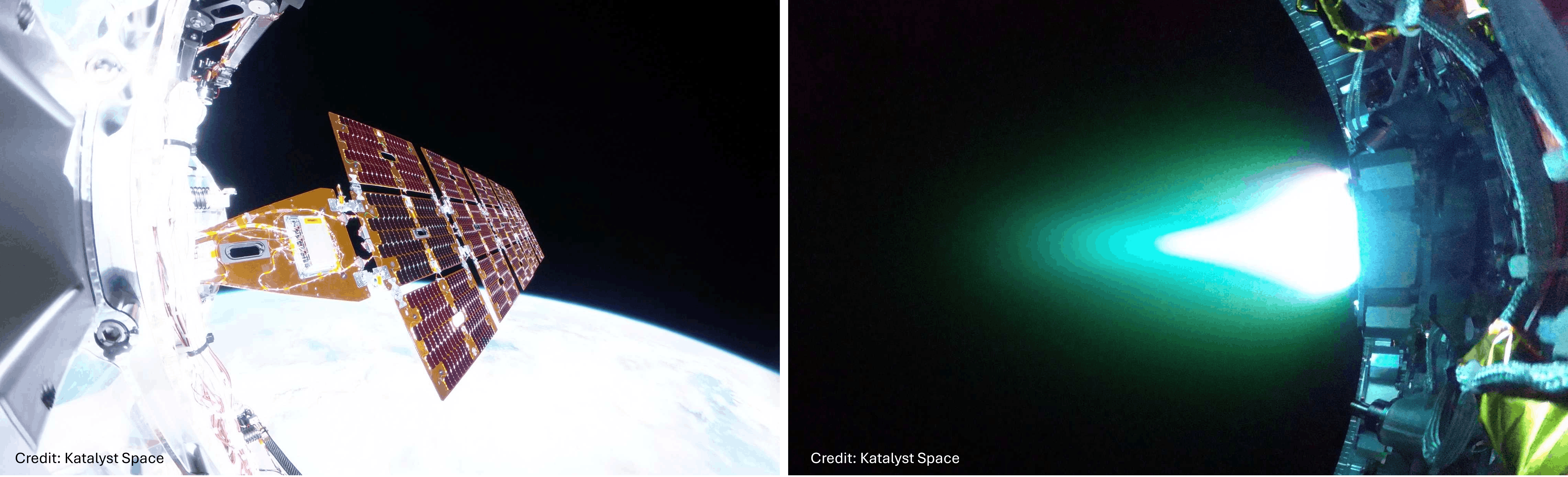
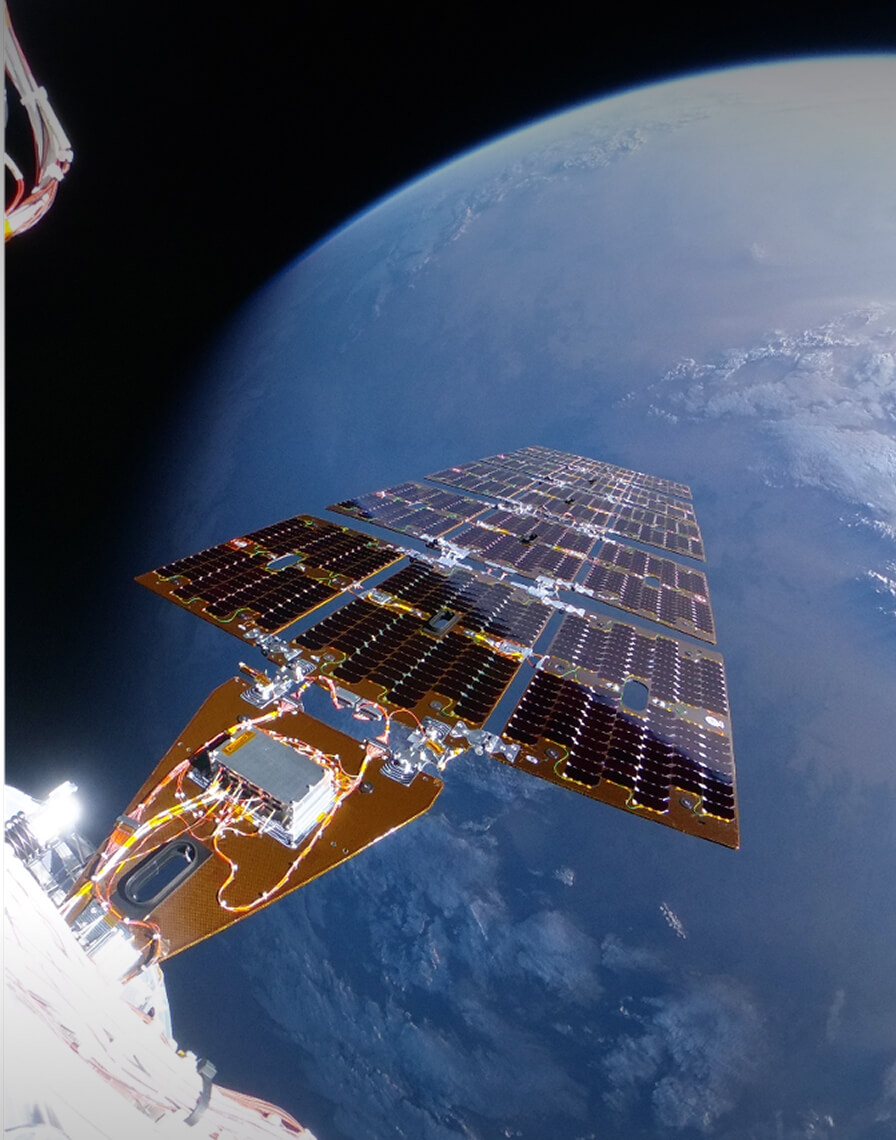
Less than a year after NASA selected Katalyst to design, build, and test the spacecraft, LINK is operating on orbit. The spacecraft has commissioned its avionics and power systems, established routine communications, completed solar array deployment, and conducted propulsion system checkouts. This mission highlights the speed at which robotic spacecraft can be developed as LINK prepares to rendezvous with and boost NASA's Neil Gehrels Swift Observatory before it deorbits later this year.
Katalyst is approximately halfway through the planned commissioning phase, which is expected to continue over the coming weeks. Early in commissioning, Mission Operations identified attitude control and communications anomalies during flight operations. The team implemented flight software patches and operational updates that restored reliable communications and enabled three-axis stabilized attitude control, allowing LINK to accurately point and orient itself in space.
As part of its architecture, LINK incorporates redundant systems for critical functions, including thrusters, reaction control systems, communications, sensing, and robotic arms, providing multiple pathways to maintain operations and respond to any in-flight anomalies. The mission includes time to validate critical systems, analyze flight data, and make adjustments. Katalyst’s Mission Operations is working around the clock to prepare LINK for the next phase of the mission.
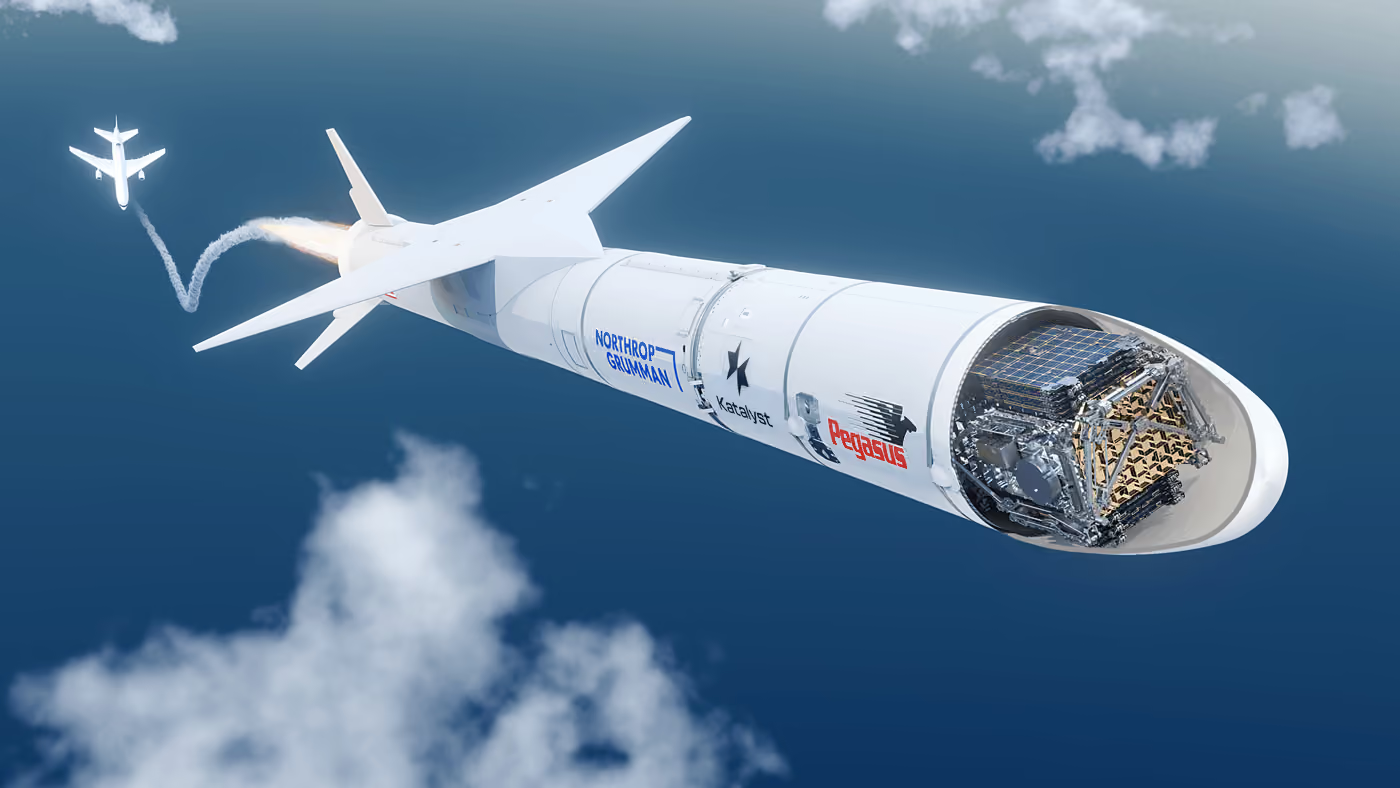
Once commissioning is complete, LINK will begin transit to Swift where it will attempt the first commercial capture of a government spacecraft, boosting it to a higher orbit to extend the life of one of NASA's most productive scientific observatories.
Katalyst will continue to provide mission updates as LINK progresses on its mission to rescue the Swift Observatory.
About Katalyst Space
Katalyst Space is an American defense technology company. Founded in 2020, Katalyst is building a fleet of autonomous robotic space vehicles capable of docking to unlock new life and new missions.
Katalyst Space’s LINK is the first robotic servicing spacecraft of its kind, equipped with robotic arms and advanced guidance, navigation, and control (GNC) for autonomous rendezvous and docking. LINK was launched for a mission to boost NASA’s Neil Gehrels Swift Observatory to a higher altitude before it deorbits.
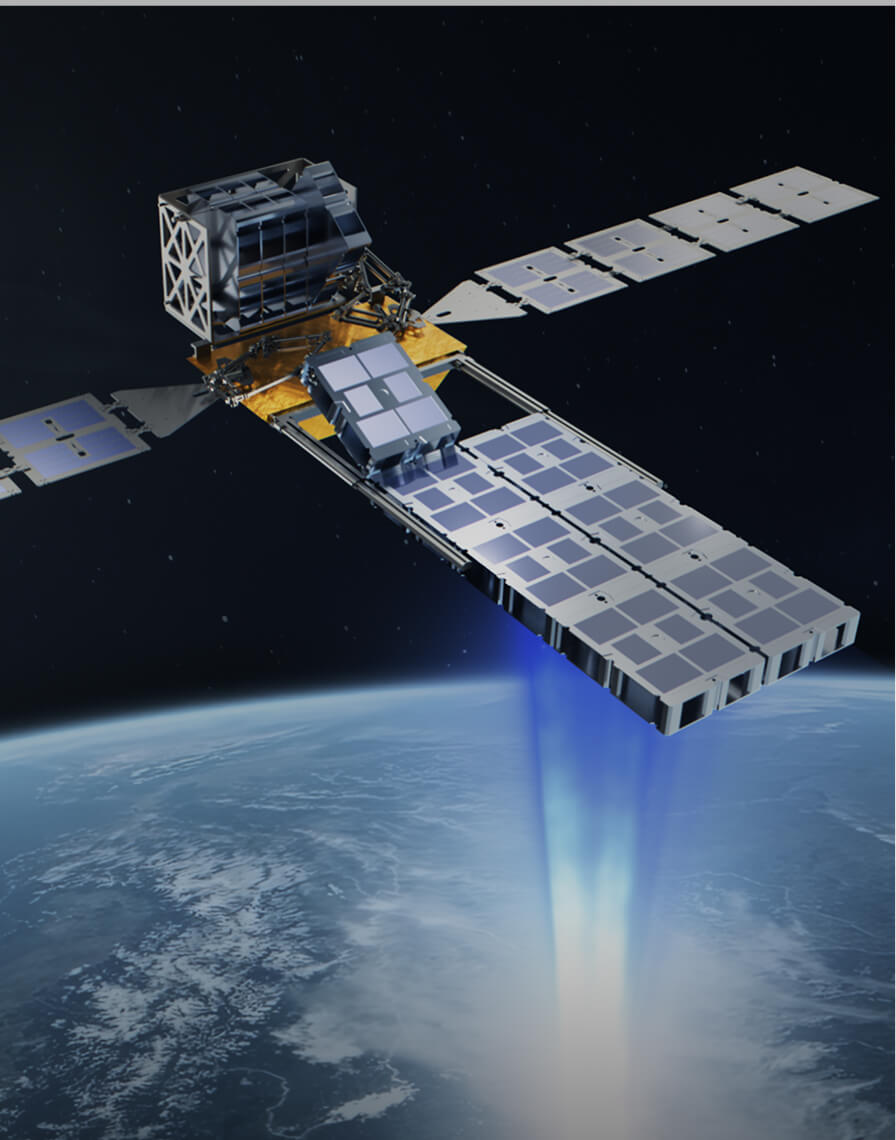
NEXUS is Katalyst’s flagship spacecraft, designed to manipulate objects in space, moving beyond static, single-use assets to dynamic, multi-use, multi-mission spacecraft. Leveraging the technologies and operational experience demonstrated by LINK, NEXUS advances Katalyst’s vision for the future of dynamic space operations.


.png)