DIU Selects Katalyst Space for Deorbit-as-a-Service Program Supporting SDA
BROOMFIELD, Colo. — August 14, 2026 — Katalyst Space has been selected by the Defense Innovation Unit (DIU) for its Deorbit-as-a-Service program in support of the operational needs of the Space Development Agency (SDA).
.png)
The program’s objective is to demonstrate that de-orbiting can be delivered as a repeatable commercial service rather than requiring the development of a new, purpose-built spacecraft for each mission.
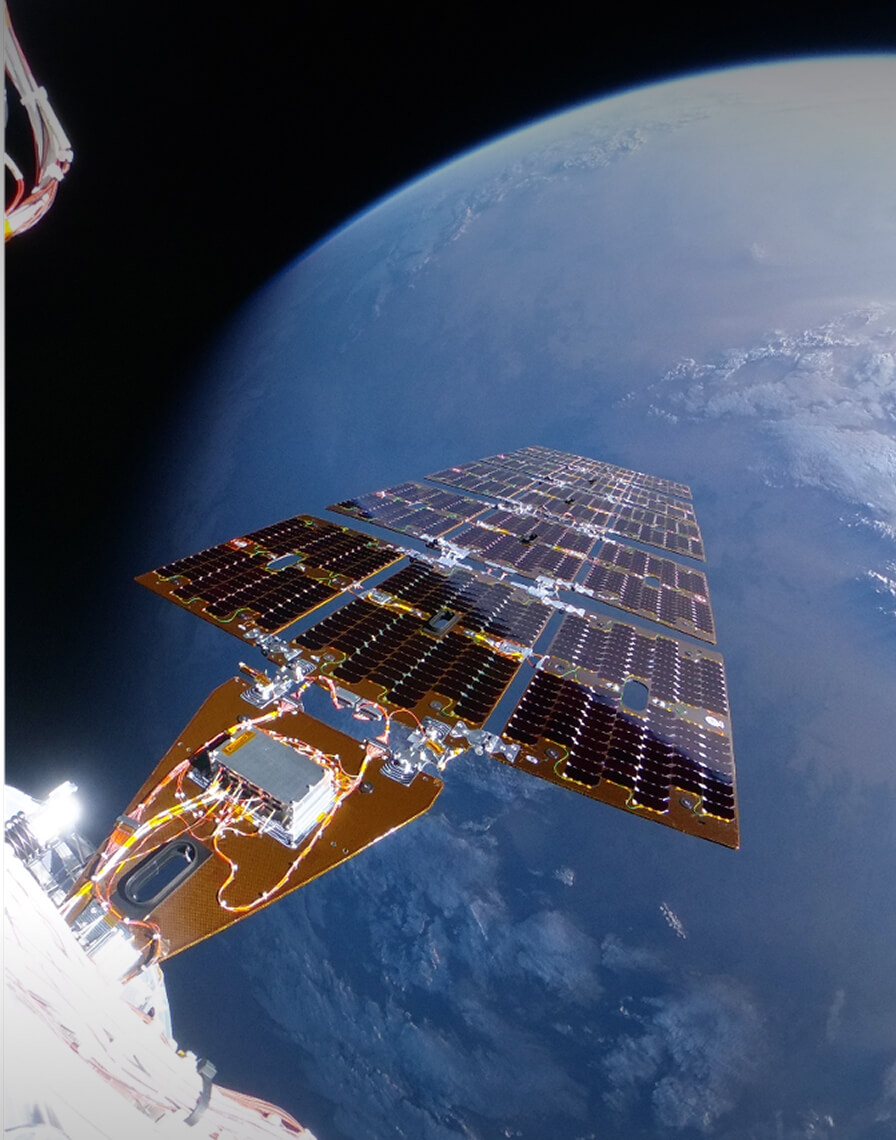
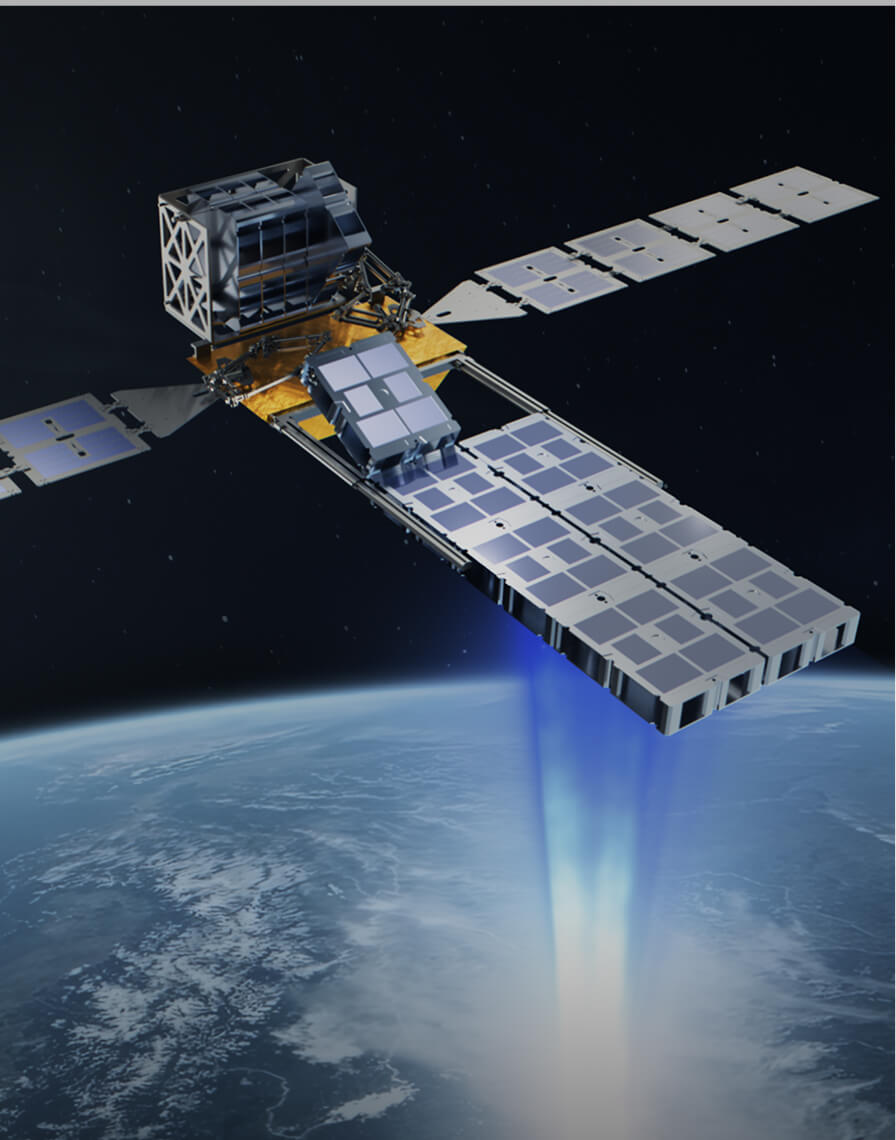
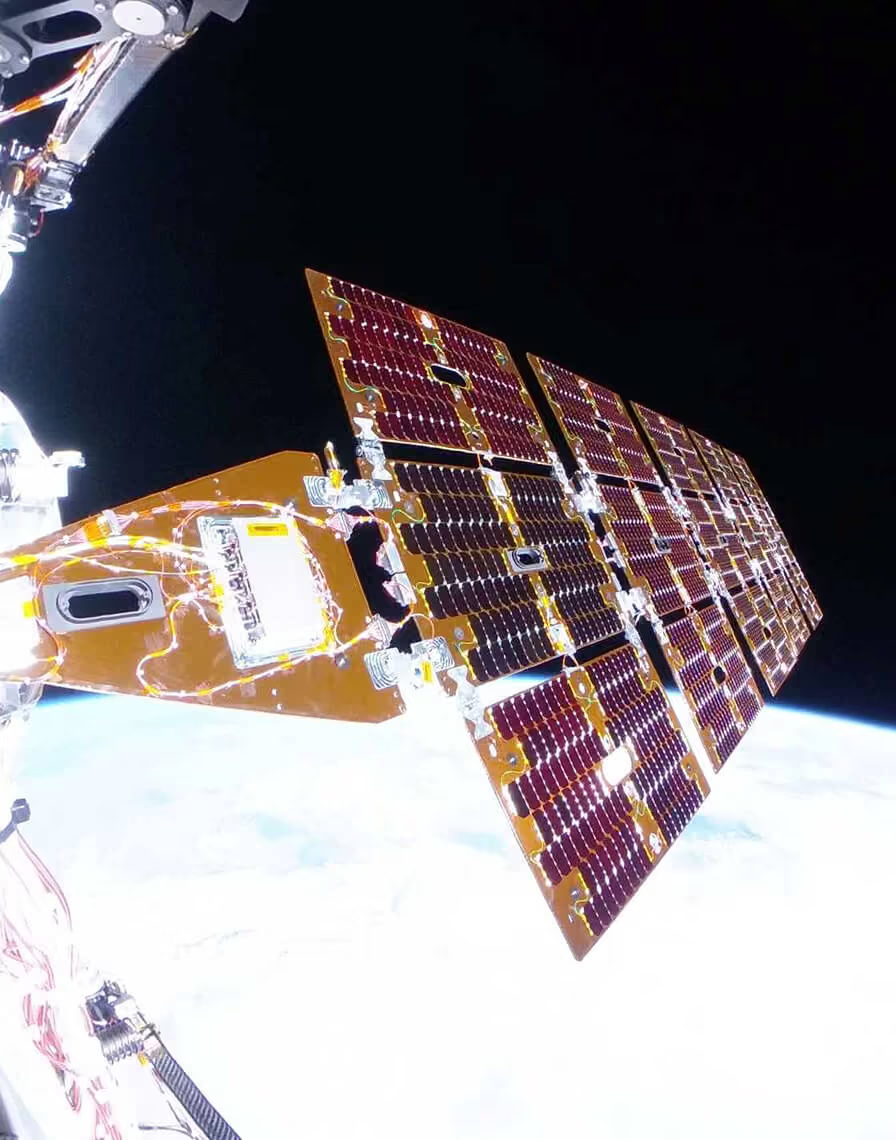
The Deorbit-as-a-Service program is structured as a two-phase effort. During Phase I, Katalyst will mature the mission design through Preliminary Design Review. Phase II would advance the program to flight implementation using Katalyst’s NEXUS robotic spacecraft to rendezvous with, capture, and deorbit SDA satellites that were not originally designed for servicing.
.jpg)
The selection reflects an important acquisition model for the Department of War. DIU partners with mission organizations such as SDA to identify operational needs and rapidly connect them with commercially developed technologies. This approach allows government users to adopt new capabilities on shorter timelines while strengthening the commercial market supporting those capabilities.
As the SDA fields increasingly large operational satellite constellations, it will require new tools to manage spacecraft throughout their lifecycles. Those tools include deployment, inspection, maneuvering, life extension, anomaly response, and end-of-life disposal.
Historically, active deorbit missions have been difficult to justify economically. Most proposed approaches have required a dedicated spacecraft, specialized mission design, and significant nonrecurring engineering for a single target. When the cost of developing and launching an entirely new system must be absorbed by one disposal mission, the economics have not closed.
Katalyst is addressing that problem by making deorbiting one of the services provided by its standardized, multi-mission robotic spacecraft. NEXUS combines robotics, autonomous rendezvous and capture, propulsion, and spacecraft control within a common technical architecture that can be deployed across government and commercial missions. A single NEXUS vehicle can be configured to conduct multiple service operations, including capturing and deorbiting more than one satellite, or to perform different mission types during its operational life. This service model changes how government agencies acquire advanced space capabilities. Instead of funding a bespoke spacecraft development for every new requirement, agencies can purchase access to an existing commercial platform and the operational outcome it provides.
“Rendezvous and proximity operations and robotic satellite servicing are foundational for the future of space operations,” said Ghonhee Lee, CEO of Katalyst Space. “These capabilities give government operators new options to strengthen the resilience and flexibility of space architectures. Through this effort we want to move these capabilities beyond one-off demonstrations and toward repeatable operational services.”
The selection builds on Katalyst’s LINK mission to rendezvous with and boost NASA’s Neil Gehrels Swift Observatory. Katalyst designed, built, tested, and launched LINK in approximately nine months for approximately $30 million, demonstrating a commercial approach to rapidly fielding sophisticated robotic spacecraft.
The Swift and Deorbit-as-a-Service missions apply many of the same underlying capabilities including RPO, robotic capture, spacecraft maneuvering, and integrated mission operations, to different customer needs. This commonality is central to Katalyst’s strategy of building the NEXUS spacecraft platform rather than creating a new vehicle for every mission.
“Our objective is not to build one specialized deorbit vehicle,” said Lee. “It is to establish the product and operating model that allows us to manufacture and deploy a fleet of NEXUS spacecraft. That is how robotic capabilities proliferate and become widely available.”